About Golf Simulator Compare
Almost every page written about home golf simulators is a ranked list. Ten best this, seven best that, usually written by someone who sells them. The lists are not wrong exactly, they are just answering a question most buyers do not have. By the time you are seriously looking, you are not asking which one is best. You are asking which ones will physically go in the room you have.
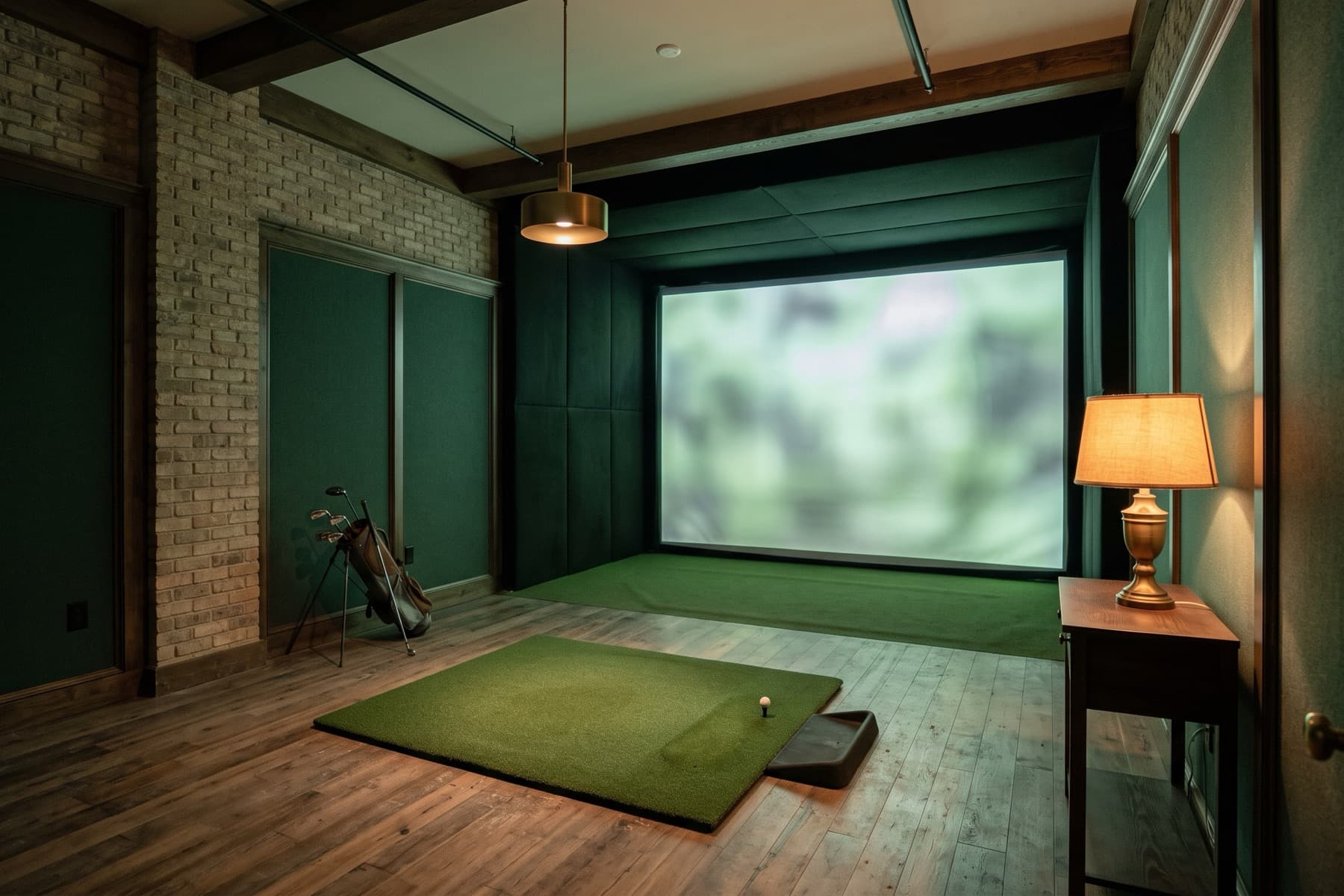
That question has a real answer, and it is mostly arithmetic. Ceiling height, room depth, where the sensor sits and how much space the enclosure needs behind the screen. So we built the database and the calculator instead of the list.
What is here
- A spec database covering 18 launch monitors, with every figure traced to the page it was read from and the date it was read.
- 58 complete packages priced, with the retailer’s own published room requirements rather than our guess at them.
- A room fit calculator that checks your actual measurements against all of it, and tells you which constraint is the one biting.
What makes it different
Two things, both small and both load-bearing.
First, we sort by where the sensor sits rather than by whether it is radar or camera. That is the split that decides room fit, and getting it wrong is why so much advice in this category does not survive contact with a real garage.
Second, we treat a missing number as a finding. Most makers do not publish a minimum ceiling height. Rather than borrow one from a blog and present it as fact, we show the gap and check against a standard of our own that we publish openly.
Contact
Corrections are genuinely welcome, particularly if you own one of these and the published figures do not match what you measured. Reach us at contact@golfsimulatorcompare.com.
Some links here may earn a commission, which is set out in full on the affiliate disclosure.